
Fruit Mahjong 3D



























Fruit Mahjong 3D



















You might also like
New Games
View more






Fruit Mahjong 3D Features
A clear loop built around Fruit Mahjong 3D
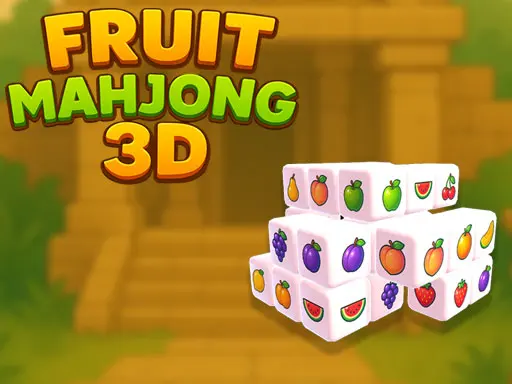
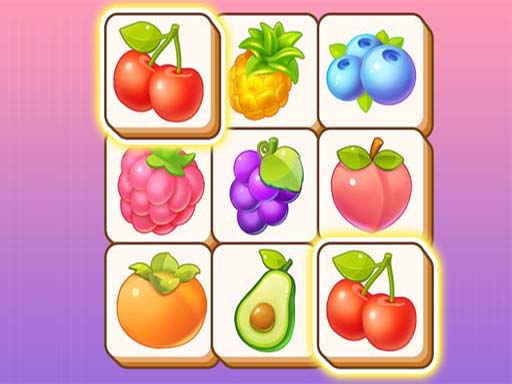
Fruit Mahjong 3D is a relaxing puzzle game where you match pairs of fruit-themed tiles in 3D space. Rotate the view, find free tiles, and clear the board by matching identical pieces. Each level is handcrafted and fully solvable, offering a mix of easy and challenging layouts. The game starts with a short tutorial and gradually increases in difficulty. Use s
Immediate browser play
The game opens directly in the browser, so each attempt starts quickly and stays focused on the main challenge.
Progress comes from better reads
The more you understand the timing, route, and stage pressure, the easier it becomes to recover from mistakes.
Short sessions stay useful
Each level or attempt gives quick feedback, making it easy to retry, adjust your plan, and improve one decision at a time.
A recognizable game identity
The theme, characters, and objective are specific enough to feel distinct from a generic browser-game page.
What is Fruit Mahjong 3D
Fruit Mahjong 3D is a relaxing puzzle game where you match pairs of fruit-themed tiles in 3D space. Rotate the view, find free tiles, and clear the board by matching identical pieces. Each level is handcrafted and fully solvable, offering a mix of easy and challenging layouts. The game starts with a short tutorial and gradually increases in difficulty. Use s Fruit Mahjong 3D is built for quick browser play: open the page, understand the objective, and start learning through clean retries or short sessions. What keeps it interesting is the way each attempt teaches you something about timing, order, or better decision-making.
How to Play Fruit Mahjong 3D Online
Use the keyboard, mouse, or touch controls shown in Fruit Mahjong 3D to move, aim, select actions, and complete the main objective. Watch the first attempt carefully, then replay with cleaner timing and better choices.
Start by reading the stage or objective before acting too quickly. A slower first attempt often reveals the route, trigger order, or timing window that matters most.
Use each failed run as feedback. Correct one mistake at a time, then replay with cleaner timing and a better plan.